US-Israel Joint Strikes on Iran: Targets and the Aim to Neutralize Nuclear Threats
The geopolitical landscape of the Middle East was dramatically reshaped following a series of significant military operations announced by former U.S. President Donald Trump, carried out in conjunction with Israeli forces. These "major combat operations" targeted various strategic locations across Iran and other parts of the Middle East, with the stated primary objective of dismantling Iran's capacity to develop nuclear weapons and respond to perceived existential threats. The coordinated actions underscore the deep-seated concerns of both nations regarding Iran's regional influence and its nuclear ambitions, seeking to pre-empt a scenario where a nuclear-armed Iran could pose an unparalleled danger, potentially leading to a situation where Iran might consider aggressive actions against its neighbors.
The joint offensive signaled a decisive shift in strategy, moving beyond prolonged negotiations towards direct military intervention. Both Washington and Jerusalem emphasized the defensive nature of these strikes, framing them as essential to protect their respective national security interests and those of their allies. The comprehensive nature of the attacks, spanning multiple Iranian cities and targeting critical infrastructure, highlighted the seriousness with which these threats were perceived.
The Coordinated Offensive: A Unified Stance Against Iranian Ambitions
On a critical Saturday morning, the world watched as a series of coordinated military strikes commenced against Iranian targets. Donald Trump explicitly announced that the United States had launched "major combat operations" against Iran, an undertaking conducted in close cooperation with the Israeli armed forces. This joint initiative underscored a shared resolve to confront what both nations described as a growing and immediate threat. The underlying goal, as articulated by Israeli leadership, was unequivocally to "deprive the mullahs' regime of access to atomic weapons."
Statements from both sides reinforced the gravity of the situation. Donald Trump declared, "Our objective is to defend the American people by eliminating the imminent threats that the Iranian regime represents, a vicious group of very tough and terrible people." He further vowed, "We are going to destroy their missiles and annihilate their ballistic industry. It will be, once again, totally destroyed. We are going to annihilate their navy." This robust rhetoric signaled an end to weeks of diplomatic negotiations, indicating a move towards a more forceful approach.
Concurrently, Israeli Prime Minister Benyamin Netanyahu addressed his nation, stating, "Citizens of Israel, a short while ago, Israel and the United States launched an operation aimed at eliminating the existential threat posed by the Iranian terrorist regime." He passionately outlined the historical grievances and the perceived danger: "For forty-seven years, the Ayatollah regime has shouted 'Death to Israel,' 'Death to America.' It has spilled our blood, murdered many Americans, and massacred its own people. We must not allow this murderous terrorist regime to acquire nuclear weapons that would enable it to threaten all of humanity." This dual announcement left no doubt about the severity of the perceived threat and the determination of the U.S. and Israel to act decisively. The underlying fear of a future where Iran could potentially *bombarde Israël* with devastating consequences was a clear driver behind these preemptive actions.
Strategic Targets Across Iran: Pinpointing the Threat
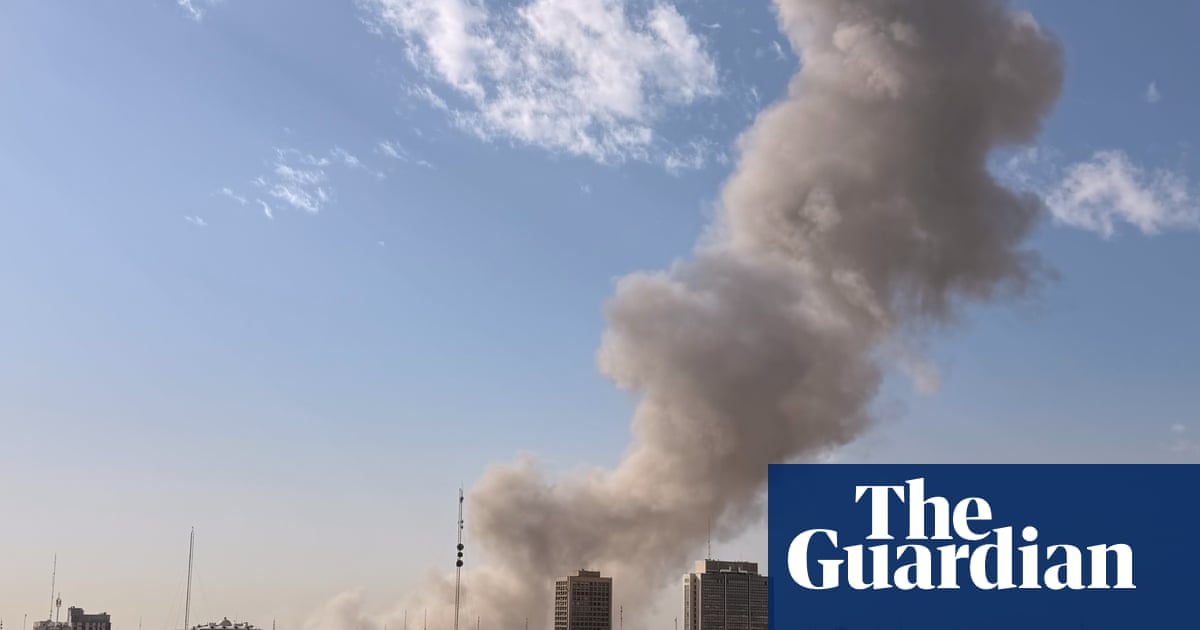
The scale of the strikes extended far beyond Iran's capital, Tehran, encompassing multiple cities across the country, indicating a deliberate strategy to cripple various facets of Iran's strategic capabilities. While Tehran was indeed a primary target, witnessing "strong detonations" and "two plumes of thick smoke" rising from its center and east, other crucial locations were also hit.
According to reports from the Isna news agency, the **Pasteur district** in central Tehran was specifically targeted. This area holds significant strategic value as it houses the residence of Supreme Leader Ali Khamenei and the presidency, signifying an attempt to directly impact the regime's command and control infrastructure.
However, the geographical spread of the attacks underscored a broader aim. Explosions were reported in:
- Isfahan (central Iran): A city known for its historical significance and increasingly, for its advanced military and nuclear facilities. Targeting Isfahan could aim at slowing down Iran's technological advancements.
- Qom (central Iran): A holy city, also reported by Fars news agency to have been targeted. While its religious significance is paramount, its inclusion in the list of targets suggests potential military or strategic assets in its vicinity.
- Karaj (west of Tehran): An industrial hub, which if targeted, could impact manufacturing capabilities relevant to Iran's military programs.
- Kermanshah (western Iran): Another city in western Iran, which, similar to Karaj, likely holds industrial or military facilities of interest.
- Tabriz (northwestern Iran): Also mentioned as a target in initial reports, Tabriz is a major economic and industrial center, and targeting it could aim at disrupting wider Iranian infrastructure.
The Israeli army, for its part, confirmed it was attacking "several military objectives belonging to the Iranian regime in western Iran," though specific details on the nature and location of these targets remained undisclosed. This precision targeting across various regions suggests a concerted effort to dismantle Iran's military and strategic assets, from command centers to industrial capabilities, rather than a singular punitive strike. The goal was to degrade Iran's ability to escalate conflicts or develop weapons that could threaten regional stability, thereby mitigating the risk of a future where Iran might unilaterally decide to *bombarde Israël*.
Explosions Rock Iran: US-Israel Launch Joint Offensive further details the initial impacts and the immediate aftermath of these widespread strikes.
The Nuclear Threat: The Core Justification
The persistent shadow of Iran's nuclear program has been a defining feature of Middle Eastern geopolitics for decades. Both the United States and Israel have consistently voiced profound concerns that Iran's nuclear activities could lead to the development of atomic weapons, fundamentally altering the balance of power in an already volatile region. The joint strikes were presented as a direct, pre-emptive response to this long-standing apprehension.
Prime Minister Netanyahu's powerful declaration about preventing a "murderous terrorist regime" from acquiring nuclear weapons encapsulates the core justification for the military action. The fear isn't just about Iran possessing nuclear capabilities, but the potential for a regime perceived as hostile to use them. The rhetoric from both leaders clearly articulated an "existential threat" – implying that Iran with nuclear weapons would jeopardize the very existence of Israel and pose an unprecedented danger to global security.
For Israel, the prospect of a nuclear-armed Iran is an ultimate red line. Given its geographical proximity and historical tensions, any Iranian advancement towards weaponization is seen as a direct and unacceptable threat to its survival. The strikes aimed to significantly set back Iran's nuclear infrastructure and ballistic missile program, which could serve as delivery systems for such weapons. The message was clear: Iran's pursuit of nuclear weapons would not be tolerated, and all means necessary would be employed to prevent it. This objective underscores a critical aspect of regional security: averting any scenario that could lead to Iran acquiring the capacity to *bombarde Israël* with such advanced weaponry.
Analyzing the Geopolitical Repercussions and Future Implications
The joint US-Israel strikes on Iran represent a significant escalation in regional tensions, with far-reaching geopolitical repercussions. The immediate impact was a clear demonstration of force, but the long-term consequences are multifaceted and complex.
**Impact on Iran's Nuclear Program:** The direct targeting of industrial and military sites could indeed set back Iran's progress on various weapons programs, including those related to ballistic missiles and potentially nuclear development. However, such strikes often lead to renewed determination within the targeted country to accelerate clandestine programs. It forces a question of efficacy: will these strikes deter, or merely delay and drive deeper underground?
**Regional Stability:** The strikes inevitably raise the specter of broader regional conflict. While designed to prevent future aggression, they carry the risk of retaliatory actions from Iran or its proxies across the Middle East. The delicate balance of power, already strained by proxy wars and shifting alliances, could be further destabilized. The statements explicitly mentioning the annihilation of Iran's navy and missile industry are likely to be seen as a direct challenge, potentially leading to increased militarization rather than de-escalation.
**International Diplomacy:** The failure of "negotiations ongoing for several weeks," as mentioned by Donald Trump, indicates a breakdown in diplomatic efforts. The military action undoubtedly complicates future diplomatic pathways. International bodies and other global powers will be forced to re-evaluate their approaches to the Iranian nuclear issue, potentially leading to renewed efforts for mediation or, conversely, an entrenchment of existing divides.
**Domestic Implications for Iran:** Donald Trump's call for the Iranian people to "seize power" adds another layer of complexity, aiming to exploit internal discontent within Iran. While such statements are intended to weaken the regime from within, they can also paradoxically unite the populace against external aggression. The strikes themselves, impacting several key cities, could either fuel anti-regime sentiment or galvanize nationalistic resistance.
The implications for international shipping, energy markets, and global supply chains also cannot be ignored, given the strategic importance of the Persian Gulf and surrounding areas. The full extent of these ramifications will unfold over time, shaping the future of security in the Middle East.
Trump & Netanyahu Explain Major Attacks on Iran provides further context on the leadership's justifications and expectations following these actions.
Conclusion
The joint US-Israel strikes on Iran marked a decisive moment in the ongoing efforts to counter Iran's nuclear ambitions and perceived regional threats. Driven by the explicit aim of preventing a nuclear-armed Iran and neutralizing capabilities that could eventually lead to a scenario where Iran could potentially *bombarde Israël* or other regional rivals, the operations targeted a range of strategic locations across the country. While the immediate objective was to degrade Iran's military and nuclear infrastructure, the long-term geopolitical ramifications remain uncertain. These actions underscore the complex and precarious nature of Middle Eastern security, where the pursuit of national interests often clashes with regional stability, leaving a lasting impact on diplomatic efforts and the potential for future escalation. The world watches keenly as the consequences of this strategic offensive continue to unfold.